Maintenance Cleaning Most useful Practices for Long-Term Sterilization


Sustaining a consistently clear and sanitary setting is required for both residential and professional spaces. Clear environments not merely create a good impression but in addition support health, output, and safety. In today's fast-paced lifestyle, regular office cleaning (kontori koristus) represents a vital role in preventing dust accumulation, reducing harmful germs, and ensuring that areas remain arranged and pleasant over time.
Data spotlight the growing importance of organized cleaning routines. Studies show that workplaces with correct maintenance cleaning programs can decrease the spread of bacteria by almost 30%, while well-maintained settings increase worker production by around 15%. These numbers display how ongoing cleaning practices subscribe to both health and functional efficiency.
Why Is Maintenance Cleaning Important?
Maintenance cleaning ensures that spots remain continually clear rather than waiting until soil and clutter accumulate. Instead of serious cleaning periodically, maintenance cleaning centers on schedule responsibilities performed daily or weekly.
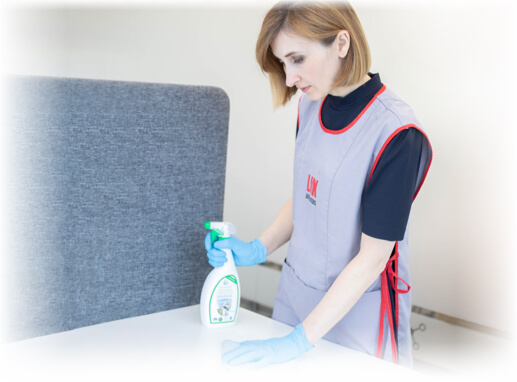
In accordance with industry reports, around 70% of center managers genuinely believe that preventive cleaning exercises significantly lower long-term maintenance costs. By addressing small cleaning tasks often, agencies prevent costly fixes or extensive repair perform in the future.
What Areas Should Be Prioritized?
High-touch materials and frequently employed places must always obtain the absolute most attention. These include home handles, tables, light turns, restrooms, and shared equipment. Germ transmission is probably to happen on these surfaces.
Research shows that high-touch materials can hold thousands of microorganisms per square centimeter or even cleaned regularly. Prioritizing these places helps minimize contamination and safeguards the fitness of occupants.
How Often Should Maintenance Cleaning Be Done?
The volume of maintenance cleaning depends upon the environment. Like, offices and commercial areas an average of need daily attention, while residential rooms might follow a weekly routine.
Market surveys show that 60% of corporations implement daily cleaning schedules to keep up hygiene standards. Regular cleaning periods avoid the buildup of dust, allergens, and harmful microorganisms.
What Tools and Products Improve Cleaning Efficiency?
Utilising the proper instruments is essential for effective maintenance cleaning. Microfiber fabrics, eco-friendly cleaning options, vacuum methods, and disinfectants are generally recommended.
New data demonstrate that microfiber cleaning techniques can eliminate around 99% of microorganisms from surfaces without requesting excessive chemicals. That makes them both environmentally friendly and very efficient.
How Does Maintenance Cleaning Support Health?
Clear conditions significantly minimize the danger of illness. Dust, allergens, and bacteria usually collect in poorly maintained spots, that may induce respiratory dilemmas and infections.
Health research indicates that proper cleaning exercises can decrease the distribute of common workplace ailments by approximately 20%. Sustaining health requirements thus attributes right to healthy interior environments.
What Are the Long-Term Benefits?
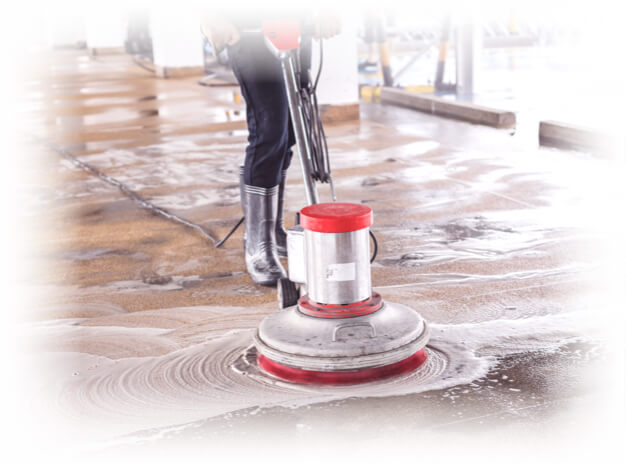
Maintenance cleaning is not only about appearance—it protects assets and runs the life of furniture, floor, and equipment. Dust escalation can harm surfaces over time, leading to needless replacements.
Statistics indicate that corporations applying preventive cleaning applications can increase the lifetime of office furniture and floor by up to 40%. This makes maintenance cleaning a cost-effective technique for long-term center management.
How Can Organizations Maintain Consistency?
Consistency is reached through organized cleaning schedules, trained staff, and clear hygiene guidelines. Normal inspections and checklists ensure that responsibilities are completed effectively.
Professionals suggest implementing reported cleaning techniques and periodic audits to steadfastly keep up high health standards. This process increases accountability and guarantees that cleaning routines remain effective.
Conclusion
Maintenance cleaning is just a fundamental section of contemporary health management. By subsequent organized exercises, prioritizing high-touch parts, and using efficient tools, people and companies can keep clean situations through the entire year.
The growing human body of statistics promoting preventive cleaning illustrates its value for health, production, and long-term cost savings. With appropriate planning and regular delivery, maintenance cleaning becomes a powerful technique for creating safe, hygienic, and welcoming spaces.